Graphomaniac
The Addiction to Writing

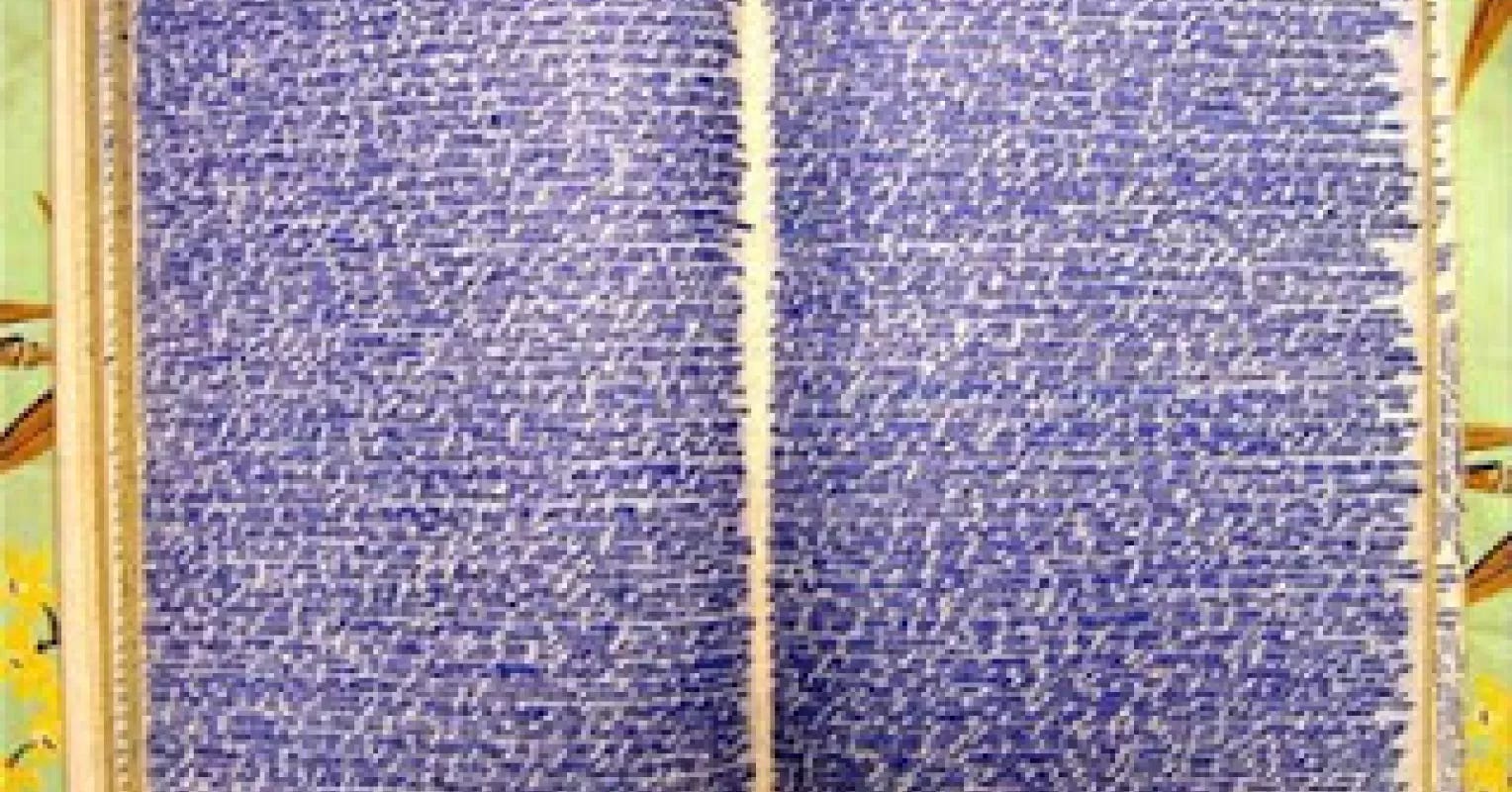
I have a compulsion to write every day. Besides my Substack columns, I also keep a daily journal and a record of all my illnesses and how I consistently feel, just in case a doctor wants to review them. If I don’t sit down and produce letters on a page, that will become words, and therefore paragraphs, I feel like I let myself down for no reason, perhaps due to laziness, or a sense that maybe I’m not worth the effort in producing such literary works. That to me is unthinkable.
It was then that I heard the word “graphomaniac.” It originates from the Greek roots grapho (meaning "to write") and mania. The term has been around since the 19th century, and it primarily focuses on producing text, rather than evaluating the quality of the work. As long as you can fill out a space with letters, then your compulsion is satisfied to a certain degree.
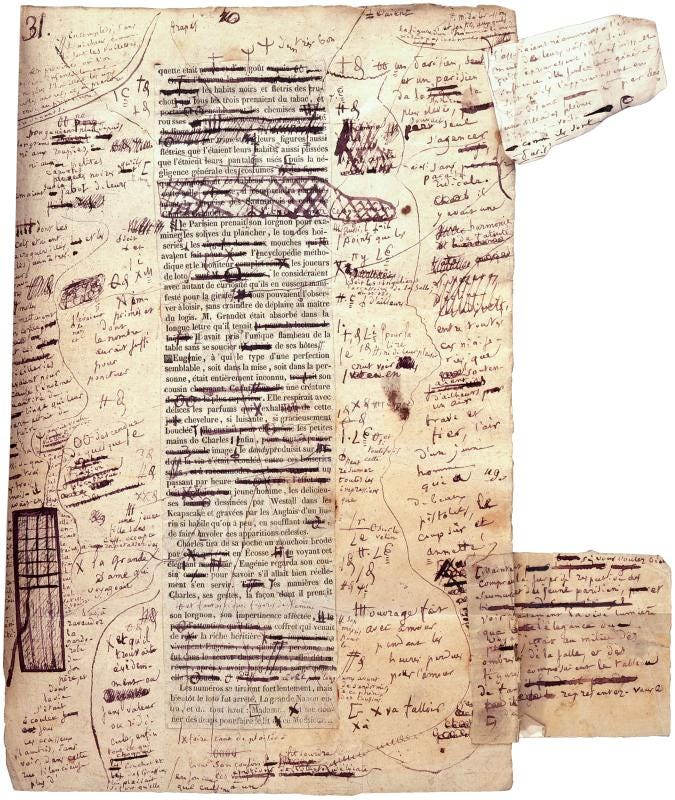
The three most famous “graphomaniac" writers are Honoré de Balzac, the American writer Thomas Wolfe, and my neighbor (who lived in Silver Lake), Anaïs Nin. Many authors are intense writers, but these three transcended the simple act of writing to reach another universe. Balzac drank nothing but coffee (50 cups a day) and worked 15–20 hours a day, while Wolfe submitted a 5,000-page manuscript for "Of Time and the River" to his publisher. His writing had no edits or concerns for editing. It was the legendary editor Maxwell Perkins who shaped it into a book. Nin was a fiction writer, but she was also famous for her diaries, which totaled millions of words.
When I get on a writing roll, I’m very quick. The panic sets in when the writing is finished for a specific project, and I immediately need to think of a new task. Substack writing works perfectly for me. I think of the classic American writers who wrote for the New Yorker or other publications, and they had to produce quality work on a weekly or monthly schedule. I think of writers like Robert Benchley (my hero), Dorothy Parker, and others from that era. I imagine they are under pressure to meet deadlines. That’s how I see Substack. Usually, “graphomaniac” writers aren’t that concerned with the results; just the act of writing is the essential part of their passion (mental disease). When I’m in the middle of writing, that’s when I’m the happiest.
Being human means being addicted to something. I even think someone can be addicted to an illness. For one, it becomes a conversation starter, and my need to communicate extends to talking about having a coughing fit and how it affects me. Since it's uncomfortable for me to talk, writing adds another layer to the story. Usually, when I have a coughing fit, it feels like an elephant is sitting on my stomach. The only way I can move away from anxiety is to write. Life in the 21st century is a huge struggle, but when I write, it seems I can frame that picture of nerves and gain some control over these feelings.
I have written about the addiction to schedules, and writing is a vital part of that planning. As long as you know your time and place, you can move forward, but without fear, anxiety, or even physical pain, there is the terror of lacking a subject to write about. When I sit in front of my screen and no ideas come, it feels deeply depressing. I don’t have writer’s block because I won’t leave my seat until an idea comes to me. Meanwhile, I use my daily journal not only to record key moments in my life but also to note the landscape around me, capturing even the most minor details.
The only reason I write these days is to exist. I tell people that I want to entertain them by thinking of them as I write, and there is truth in that, but mostly, at the end of the day, I look at my once-blank screen, and if I see letters on it, then I know I had a decent day.
I really appreciate this reflection—it reminds me of something the poet Philip Whalen once said. He described writing itself as an addiction, a compulsion that he couldn’t turn away from. For Whalen, like what you describe here, the act of putting words on the page was inseparable from his existence. It wasn’t about producing a “finished” piece or chasing perfection, but about feeding that daily need to write. Your post really captures that same sense of writing as both a necessity and a way of framing life itself.
There's a place in my brain I need to inhabit every day for at least a few hours if I want to feel grounded and at peace. Writing takes me to that place. So does watching great films. So does reading something great. With the advent of the internet, I discovered to my surprise that visiting meaningful virtual spaces brings me there, as well. I am not talking about silly videos; I mean reading essays like yours. And my collecting takes me there. I collect 20th-century historical ephemera, and when I spend time curating the past, all is well in the world. I am relieved that activities other than writing quell my panic. When I was younger, before I achieved some worldly success, I felt the writing-lash on my back every single day, and it was brutal.